Gross Metering: The Game Changer in Energy Management
With electricity prices rising every month, the only smart and cost friendly solution left for consumers is to switch to an energy efficient source. When we think of such a solution, GEPCO Net Metering is the first thing that comes to mind. Over the past few years net metering has become a complete game changer for Pakistan’s solar industry.
You can install a solar system, connect it to the GEPCO grid and generate your own electricity while also selling any surplus units back to the grid. A quick GEPCO Bill Check every month will help you see exactly how much your solar system is saving you on your electricity costs.
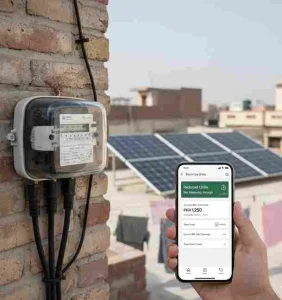
What is Net Metering?
Net metering is the process of installing solar panels to generate renewable energy and connecting the system to the national grid. Any surplus energy that you generate can be sent back to the grid, allowing you to offset your electricity consumption and reduce your monthly bill significantly.
Net Metering Benefits
Here are some key benefits of net metering in Pakistan:
What is Gross Metering?
Gross metering is a system where all the electricity you generate is directly fed into the national grid at a fixed tariff. Unlike net metering, it does not offset your consumption directly. Instead it makes you both an energy buyer and seller with no link between the amount of energy you generate and the amount you consume.
Net Metering vs Gross Metering:
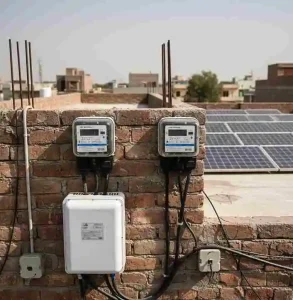
In net metering you feed surplus electricity into the grid and your meter runs backward. In gross metering two separate meters are used — one calculates total energy produced and the other calculates the energy fed into the grid.
Key differences between the net Metering and the Gross metering
Here is a clear difference between net metering and gross metering:
NET Metering | Gross metering |
Net calculations | Separate transactions |
Self consumption first, rest is fed into the grid. | All the generated energy is fed into the grid and then one meter runs backwards. |
Offsets by credit | Full retail national tariff |
Single bi directional meter required | Two separate meters required |
Why is the Government considering gross Metering?
Several factors are pushing the government to consider switching to gross metering:
Revenue Loss for DISCO:
Distribution companies are collecting less revenue from high paying consumers due to net metering benefits.
Policy Pressure:
IMF and NEPRA have urged reforms to protect grid revenue and reduce subsidies.
Equity Concerns:
While net metering benefits solar users, it may shift extra costs to non solar consumers.
Now Solar Customers Do?
Existing net metering consumers are likely to be protected under old rules before any policy change. Submit your net metering application as soon as possible to secure current benefits.
Financial impact on net Metering and gross Metering
Aspect | Net Metering | Gross Metering |
Credit rate | High, often near the real tariff | Low, often less than the real tariff |
Consumption billing | Offsets via credits | Full retail tariff |
Annual bill saving | 70-90% reduction possible | 30-60% reduction possible |
ROI | 3-7 years | 7-13+years |
Overall ROI returns | High | Lower |
Long term savings | Massive over 20+ years | Good but reduced |
System seizing incentive | Encourages oversized system | Limited to the sectioned load. |
Final Words
Net metering and gross metering are both effective ways to manage energy production and consumption at an affordable rate. Instead of struggling with high electricity bills every month, switching to solar with net metering is a smart, environment friendly and financially rewarding decision for every consumer.